
BSc in Finance After 12th: Eligibility, Admission Process, Fees, and Career Scope
Choosing the right degree after Class 12th can play an important role in shaping your future career. For students interested in financial markets, investments, banking, analytics and financial technology, a BSc in Finance offers a specialised pathway into the financial services industry.
Unlike broader commerce or management programs, a BSc Finance course focuses more deeply on quantitative finance, financial analysis, investment concepts and data-driven decision-making. This makes it a relevant finance course after 12th for students who want to build specialised financial skills early.
1. What Is BSc in Finance and Why Is It Popular After 12th?
A Bachelor of Science in Finance (BSc Finance) is an undergraduate degree focused on financial markets, investments, corporate finance, quantitative techniques, analytics and financial decision-making.
Compared with traditional BCom or BBA programs, BSc Finance generally approaches finance from a more analytical and quantitative perspective, integrating financial concepts with mathematical and technology-driven applications.
One reason the program is gaining attention is the growth of fintech and analytics-based roles within financial services. As finance becomes increasingly technology-driven, professionals are expected to understand both financial concepts and tools used for analysing data and making business decisions. The growing relationship between finance, fintech and analytics is also discussed in FinX Institute's guide on how BSc Finance prepares students for careers in fintech and data analytics.
This makes BSc Finance one of the courses after 12th in finance worth considering for students interested in investment banking, equity research, corporate finance, fintech and risk management.
Eligibility and Admission Process
Eligibility requirements differ across institutions. Generally, students are required to:
- Complete Class 12 or 10+2 from a recognised board.
- Meet the minimum percentage requirement specified by the institution.
- Have a strong quantitative foundation, with Mathematics or Statistics preferred or required by several institutions.
Admissions may be based on Class 12 scores, entrance examinations or institution-specific selection processes. Some universities may also conduct interviews or counselling rounds.
Students considering a BSc Finance college in Mumbai should therefore check the official eligibility and admission criteria of each institution before applying.
2. BSc in Finance Course Duration, Subjects, and Curriculum Overview
A BSc in Finance is traditionally structured as a three-year undergraduate degree. Under newer academic frameworks, some institutions may also offer a fourth-year Honours or research-oriented pathway.
The BSc Finance syllabus typically progresses from foundational subjects to advanced financial and analytical concepts.
Common BSc Finance subjects may include:
- Financial Accounting
- Financial Mathematics
- Business Statistics
- Economics
- Corporate Finance
- Financial Markets
- Investment Analysis
- Financial Modelling
- Risk Management
- Econometrics
- Portfolio Management
- Financial Technology
- Data Analytics
Modern finance programs may also incorporate tools such as Excel, Python, analytics and financial modelling to improve practical application.
Students researching subjects in BSc Finance should compare curricula carefully because the balance between accounting, markets, quantitative finance and technology can differ considerably between colleges.
3. Top Skills You Gain During a BSc in Finance Program
A BSc Finance program can help students build a combination of financial, analytical and technology-oriented skills.
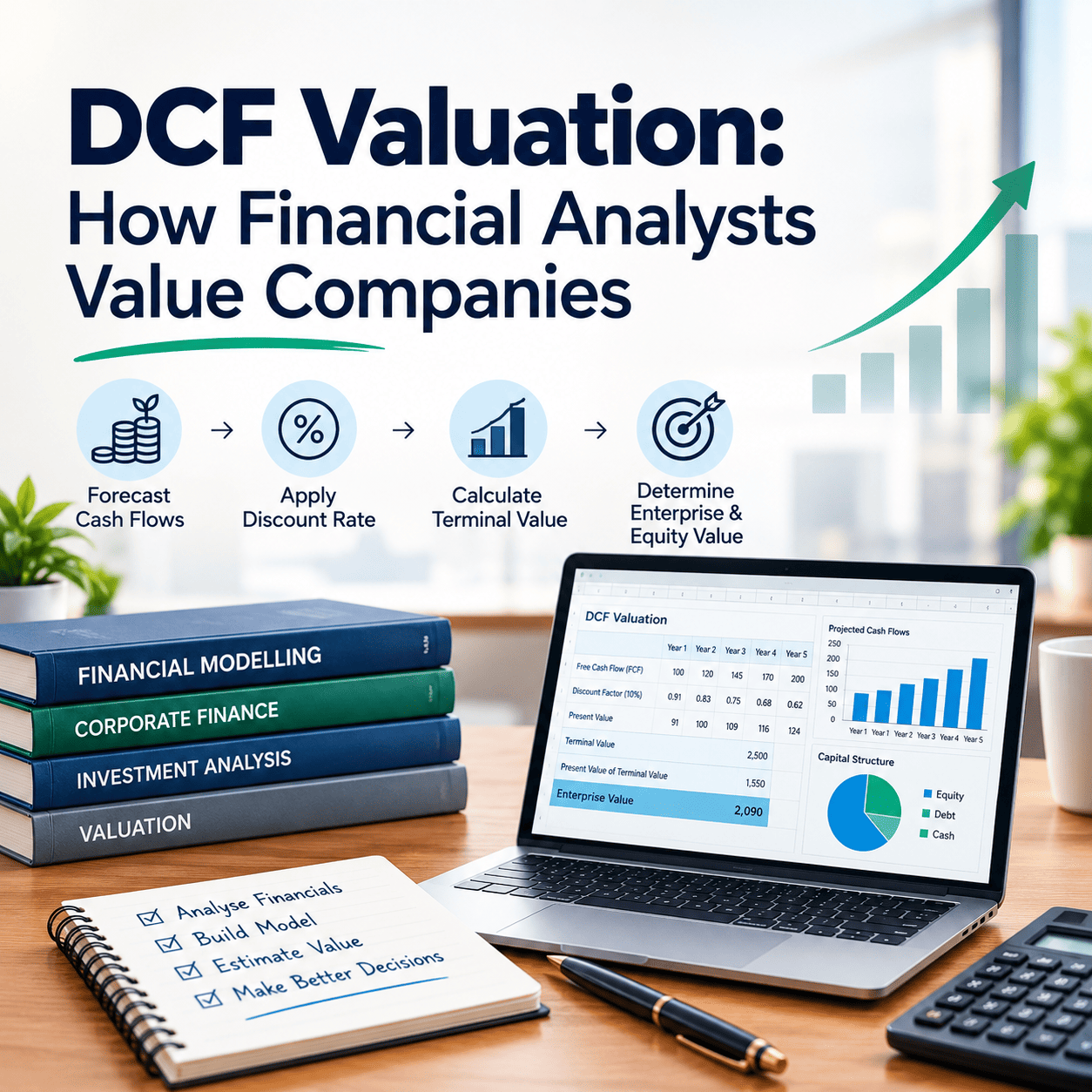
Financial Modelling and Valuation: Students learn how businesses and investments can be evaluated using financial statements, projections and valuation techniques.
Data Analytics: Modern finance increasingly depends on analysing large volumes of information. Programs may introduce tools such as Python, Excel or other analytics platforms. The growing role of technology in finance careers is discussed in this comparison of BSc Finance and other finance degrees.
Risk Assessment: Students develop an understanding of financial risks, portfolio volatility and quantitative approaches to risk measurement.
Market Analysis: Fundamental analysis, technical analysis and economic indicators help students understand how financial markets and companies can be evaluated.
4. Career Scope After BSc in Finance: Jobs, Salary, and Higher Studies
The career scope after a BSc in Finance extends across investment banking, financial services, stock markets, fintech, consulting, corporate finance and risk management.
Potential career roles include:
- Financial Analyst
- Investment Banking Analyst
- Equity Research Analyst
- Risk Analyst
- Quantitative Analyst
- Fintech Analyst
- Corporate Finance Analyst
- Portfolio or Investment Associate
For example, financial analysts typically work with financial data, company performance and investment information to support decision-making. More information about the profession is available in this financial analyst career guide.
Salary levels can vary significantly depending on the employer, location, technical skills, internships and additional qualifications. Students should therefore treat published salary ranges as indicative rather than guaranteed. For specialised careers such as investment banking, compensation can also differ substantially by organisation and experience level, as discussed in this investment banking salary guide.
After graduation, students can also pursue higher studies such as:
- MBA in Finance
- Master of Finance
- MSc in Finance or Quantitative Finance
- CFA
- FRM
Students interested in professional investment careers can learn more about the CFA Program and those interested in financial risk management can explore the FRM certification offered by GARP.
5. Is BSc in Finance the Right Choice After 12th?
A BSc in Finance can be a strong choice for students who enjoy working with numbers, analysing businesses, understanding financial markets and using data to solve problems.
When comparing BSc Finance colleges in Mumbai, students should look beyond the degree title and evaluate how effectively the curriculum combines academic learning with industry-relevant skills.
Students interested in exploring this pathway can also review the BSc in Finance program offered by FinX Institute and read more about whether a BSc Finance is a suitable career option after Class 12.
With finance becoming more analytical, technology-enabled and data-driven, a BSc Finance degree can provide students with a strong foundation for careers in financial services as well as postgraduate and professional qualifications.
Visit: finxinstitute.com | Call: 1800 892 9030 | Email: Finxinstitute Training